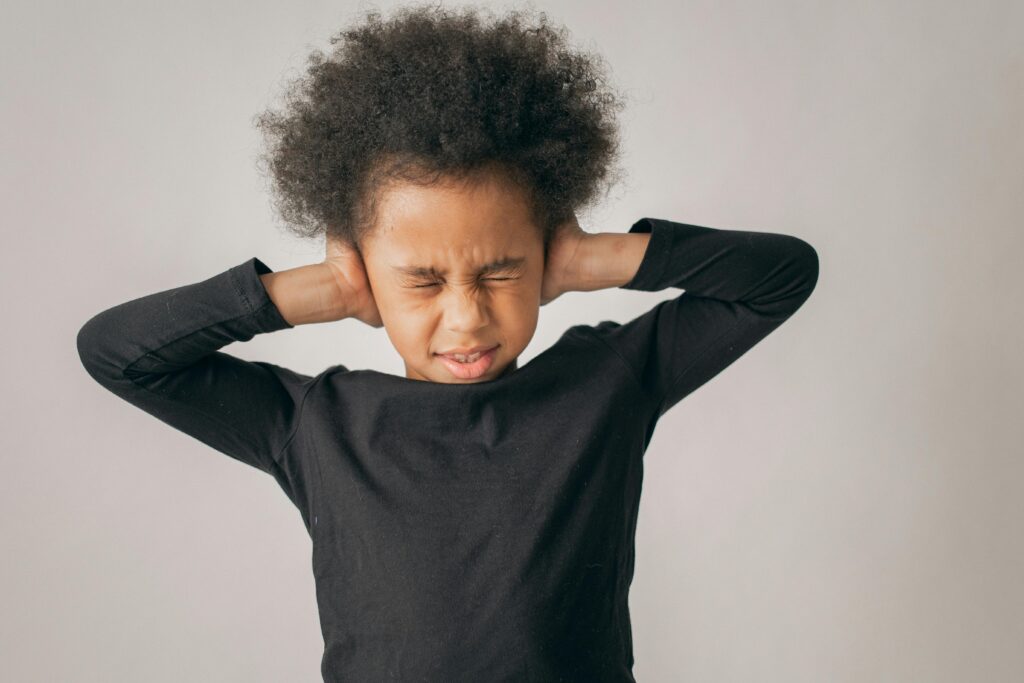
Mild anxiety is a normal part of childhood and can even help kids face challenges. However, when anxiety becomes persistent and interferes with daily life, it may develop into an anxiety disorder that requires professional attention. Clinical psychologists have observed a significant rise in childhood anxiety, often linked to academic stress, peer relationships, and family […]

In today’s digital world, screens are everywhere — tablets, smartphones, TVs — and many children spend hours on them daily. But when screen use becomes excessive, it can lead to issues with mental health, attention, learning, and social skills. This article examines the psychological impact of screen overuse and offers practical strategies from a clinical […]

Exams are a normal part of student life, but for some children, they trigger overwhelming anxiety. This “test anxiety” can impair academic performance, lower self-esteem, and affect overall mental health. From a clinical psychology standpoint, test anxiety is closely tied to performance pressure and can stem from a fear of failure, perfectionism, or excessive expectations. […]

Bullying is not just a normal part of growing up — it can leave deep emotional scars for both victims and perpetrators. Clinically, bullying is a repeated, intentional aggression that can be verbal, physical, social, or digital in nature. Children who are bullied often suffer from anxiety, depression, low self-esteem, and academic decline. Those who […]

If your child is frequently complaining of illness, crying every morning, or refusing to leave home for school, they may not be simply acting out—they could be experiencing school refusal. Unlike truancy, school refusal is driven by emotional distress and should be understood as a mental health signal rather than a disciplinary issue. Common Underlying […]

Nonsuicidal Self-Injury (NSSI) refers to deliberate self-inflicted harm to the body without suicidal intent. Common methods include cutting, burning, scratching, or hitting oneself. It is most prevalent among adolescents and is often misunderstood as attention-seeking or rebellion. In reality, NSSI is usually a coping mechanism for overwhelming emotional distress. This article provides a clinical psychology […]