
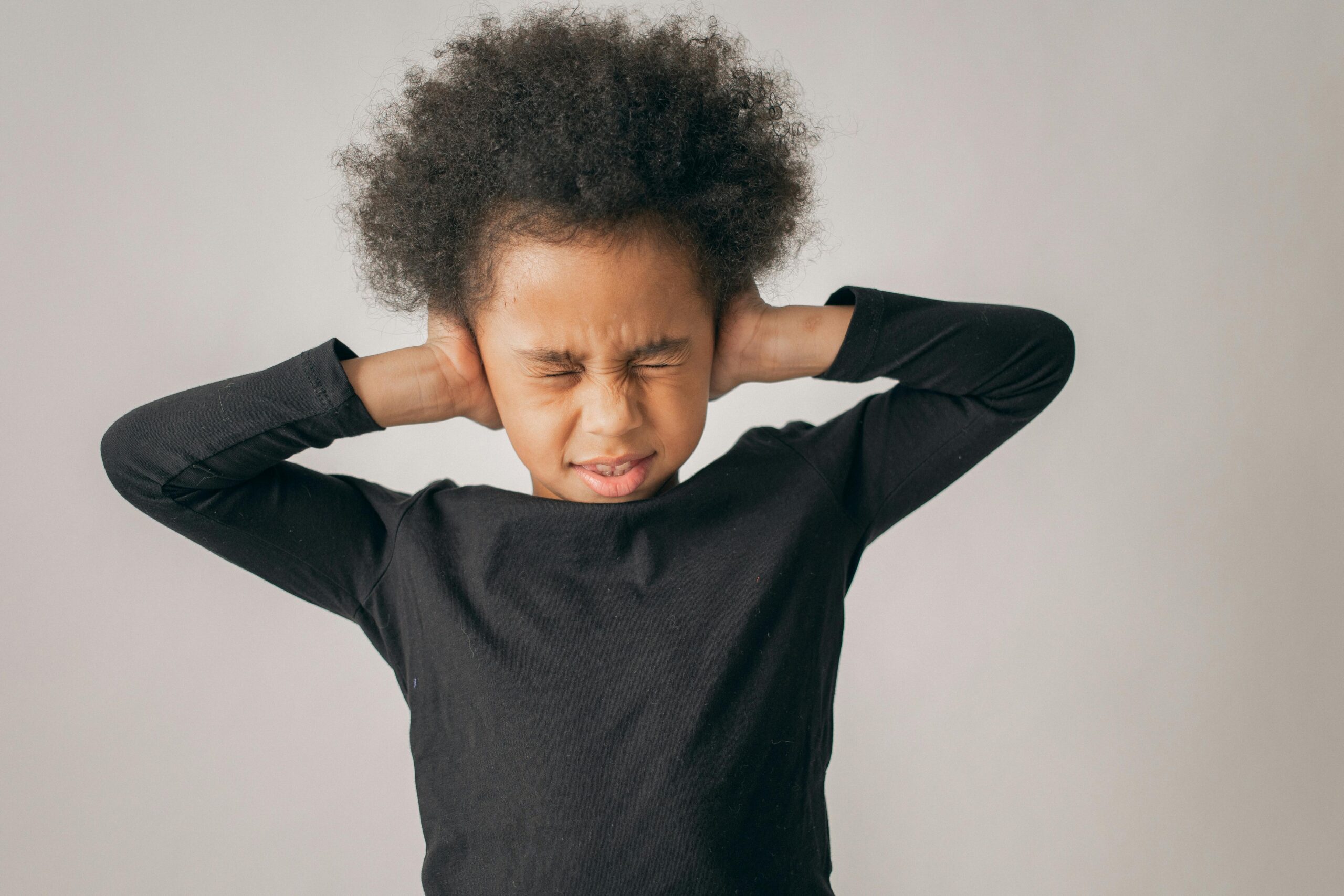
Mild anxiety is a normal part of childhood and can even help kids face challenges. However, when anxiety becomes persistent and interferes with daily life, it may develop into an anxiety disorder that requires professional attention. Clinical psychologists have observed a significant rise in childhood anxiety, often linked to academic stress, peer relationships, and family expectations.
Common Types of Anxiety Disorders in Children
- Separation Anxiety: Intense fear of being away from caregivers, common in preschool and early primary school children.
- Social Anxiety: Fear of interacting with others or being judged, more common in upper primary and middle school.
- Generalized Anxiety Disorder (GAD): Chronic worry over various life issues (e.g., school, health, safety).
- Specific Phobias: Extreme fear of particular things (e.g., darkness, insects, medical procedures).
Warning Signs of Anxiety
- Frequent crying, irritability, mood swings.
- Physical complaints such as stomachaches, headaches, or sleep problems.
- Avoidance of school, exams, or social settings.
- Excessive worry about being liked or fear of making mistakes.
- Perfectionistic behavior with low tolerance for failure.
- Withdrawal from activities or frequent school refusal.
Clinical Psychology-Based Intervention Tips
- Early Identification and Conversation
Parents and teachers should remain attentive to emotional and behavioral changes. Initiate nonjudgmental conversations and encourage children to talk about their feelings. - Professional Assessment and Diagnosis
If symptoms persist for weeks and disrupt learning or relationships, consult a clinical psychologist or child psychiatrist for a formal assessment. - Cognitive Behavioral Therapy (CBT)
CBT is a gold standard for treating childhood anxiety. It helps children identify unhelpful thoughts, learn relaxation techniques, and gradually face feared situations with confidence. - Parent Involvement and Structured Routines
When parents learn emotion regulation strategies and consistent parenting approaches, outcomes improve significantly. Supportive routines, guided exposure, and avoiding overprotection are key.
Medication (if needed)
In severe cases, short-term use of anti-anxiety medication may be considered alongside therapy. This should be decided and monitored by a licensed medical professional.