

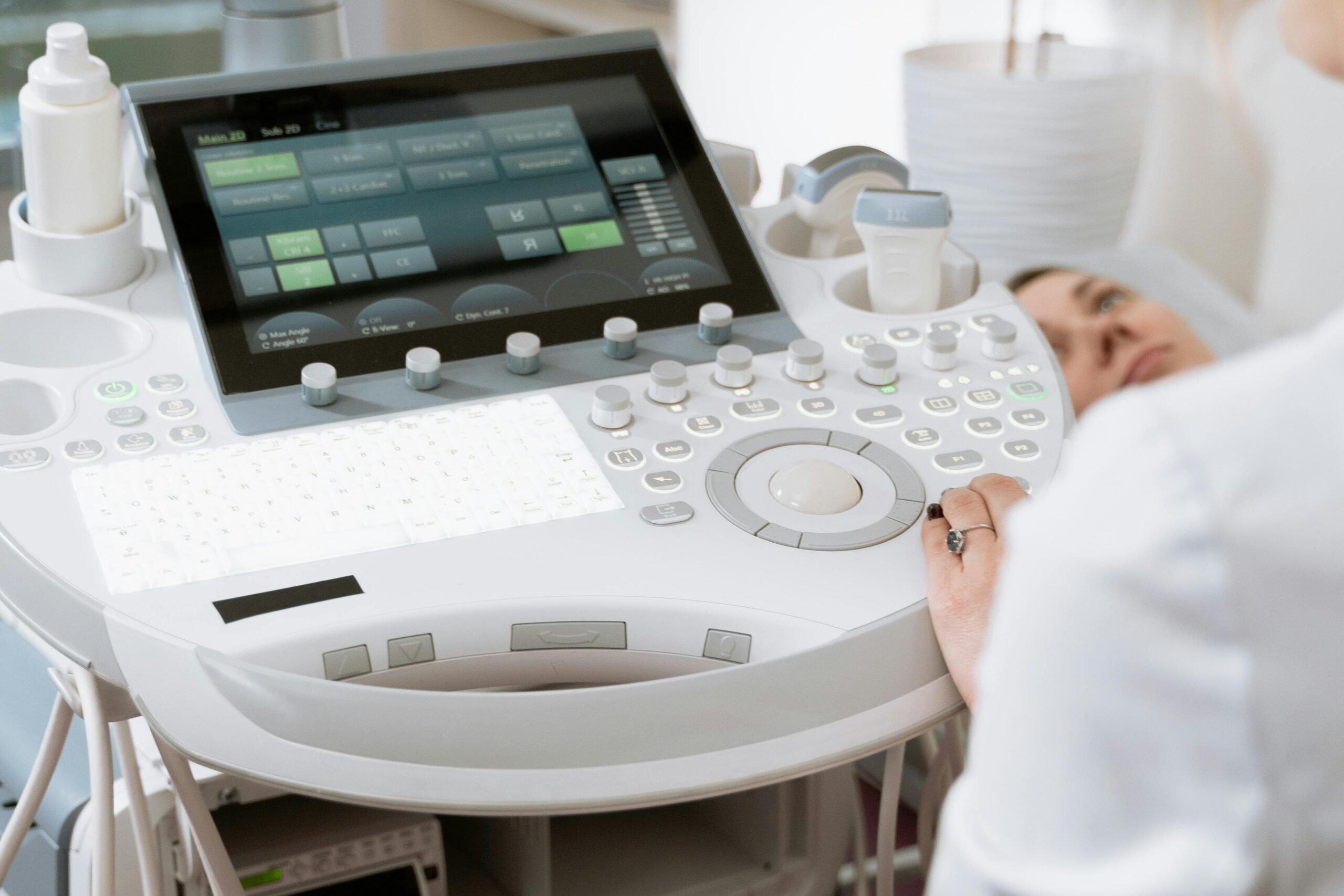
As more women consider egg freezing to preserve fertility, one critical factor often overlooked is the functional age of the ovaries. Anti-Müllerian Hormone (AMH) testing has emerged as a reliable indicator for assessing ovarian reserve, which refers to the number of eggs remaining in a woman’s ovaries.
AMH is secreted by ovarian follicles. The higher the AMH level, the greater the ovarian reserve. A typical healthy AMH range is around 2.0 to 5.0. A reading of 0.01 is considered extremely low and may reflect the presence of only one to three follicles during ultrasound evaluation. However, low AMH does not equate to zero chances of conception. If egg quality remains good, pregnancy is still possible. Nevertheless, in assisted reproduction or egg freezing procedures, low AMH suggests a weaker ovarian response to hormonal stimulation.
In some cases, low AMH levels may be related to lifestyle choices rather than disease. For example, women who experience chronic sleep deprivation, prolonged stress, or overwork may unknowingly place their ovarian health at risk. While scientific evidence is still limited regarding direct correlations between stress and AMH, suboptimal health conditions may indeed affect ovarian function.
When Should You Consider Egg Freezing?
According to Hong Kong regulations, eggs frozen for non-medical reasons can only be stored for up to ten years. This limits the practicality of freezing eggs too early. Typically, the optimal window for elective egg freezing is between ages 30 and 35, when egg quality is still good but the intended use of the eggs may be within the permitted storage timeframe.
Many women only seek consultation after age 35, which narrows the effective window. Therefore, doctors recommend earlier assessment of ovarian function through AMH testing and ultrasound evaluation to inform timely decision-making. From consultation to final commitment, the process often requires thoughtful consideration and preparation.
What Does the Egg Freezing Process Involve?
After medical evaluation, the process begins shortly after menstruation. A course of daily hormone injections for 8 to 10 days stimulates multiple eggs to mature. Once follicles reach optimal size, an injection triggers final maturation, followed by a minor egg retrieval procedure. The eggs are then cryopreserved in liquid nitrogen at minus 196 degrees Celsius.
While the procedure is generally safe, potential side effects include ovarian hyperstimulation, abdominal pain, bloating, bleeding, infection, or rare injury to surrounding organs. These risks are low but should be discussed with your doctor.
Integrative Approaches and Complementary Therapies
Some women also explore complementary therapies such as traditional Chinese medicine, acupuncture, or supplements like CoQ10 and DHEA. Although medical evidence remains inconclusive, these methods are generally low-risk and may be pursued alongside conventional fertility treatments if appropriately managed.
AMH testing is a valuable tool in fertility planning. By assessing ovarian reserve early, women can take timely steps toward protecting their reproductive future. If egg freezing is under consideration, early evaluation is key to maximizing outcomes and options.