
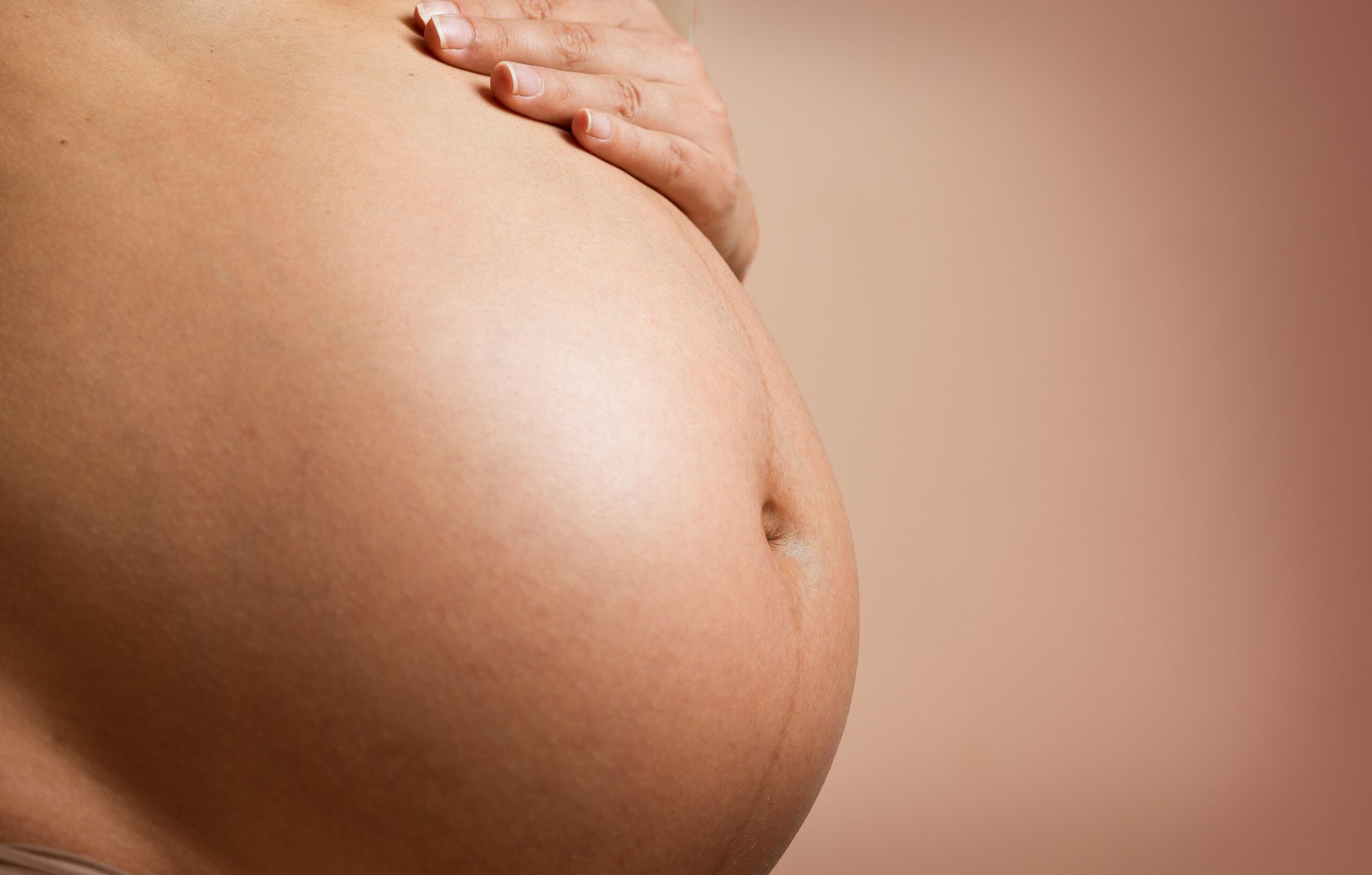
Bleeding during pregnancy can be distressing and confusing. The causes and seriousness of bleeding differ depending on the pregnancy stage. Knowing the potential reasons for bleeding in each trimester helps determine when to seek medical care and safeguard the health of both mother and baby.
First Trimester (Weeks 1–12)
Bleeding occurs in approximately 20% to 30% of pregnant women during the first trimester.
Common causes include:
- Implantation bleeding: Light spotting when the fertilized egg attaches to the uterine lining, usually near the expected period date. This bleeding is mild and short-lived.
- Cervical irritation: Increased blood flow to the cervix during pregnancy can cause light bleeding after intercourse or pelvic exams.
- Miscarriage: Bleeding with cramping or tissue passage may indicate miscarriage and requires urgent care.
- Ectopic pregnancy: Fertilized egg implants outside the uterus (commonly in fallopian tubes), causing bleeding and pain, which is an emergency.
- Molar pregnancy: A rare abnormal pregnancy where abnormal tissue grows inside the uterus, often causing bleeding.
When to seek help:
- Heavy bleeding soaking more than one pad per hour.
- Severe abdominal pain or cramping.
- Passing tissue or clots.
- Dizziness or fainting.
Second Trimester (Weeks 13–26)
Bleeding in the second trimester is less common but always needs evaluation.
Common causes include:
- Miscarriage: Pregnancy loss can still occur after 12 weeks.
- Placenta previa: Placenta partially or fully covers the cervix, causing painless bleeding.
- Cervical changes: Infection, inflammation, or cervical insufficiency can cause bleeding.
- Preterm labor: Contractions may be accompanied by spotting or bleeding.
When to seek help:
- Any vaginal bleeding.
- Pain or contractions.
- Fluid leaking from the vagina (possible water break).
- Fever or foul-smelling discharge.
Third Trimester (Weeks 27–40)
Late pregnancy bleeding may indicate serious conditions.
Common causes include:
- Placenta previa: May continue causing painless bleeding.
- Placental abruption: Premature separation of the placenta from the uterine wall causes bleeding and abdominal pain, requiring immediate medical attention.
- Preterm labor: Bleeding may occur with contractions.
- Cervical changes: Infection or irritation.
When to seek emergency care:
- Heavy bleeding or bleeding with severe abdominal pain.
- Labor signs before 37 weeks.
- Sudden gush or continuous fluid leakage.
- Reduced fetal movement.
Practical Tips for Bleeding
- Rest and limit physical activity until medical evaluation.
- Avoid sexual intercourse until cleared by your healthcare provider.
- Track bleeding amount, color, and any associated symptoms.
- Stay in contact with your healthcare team and report bleeding promptly.
Conclusion
Bleeding during pregnancy can have many causes, some harmless and others serious. Risks vary by trimester, so prompt medical assessment is crucial. If you experience any bleeding, contact your doctor or midwife immediately to ensure the best care for you and your baby.