

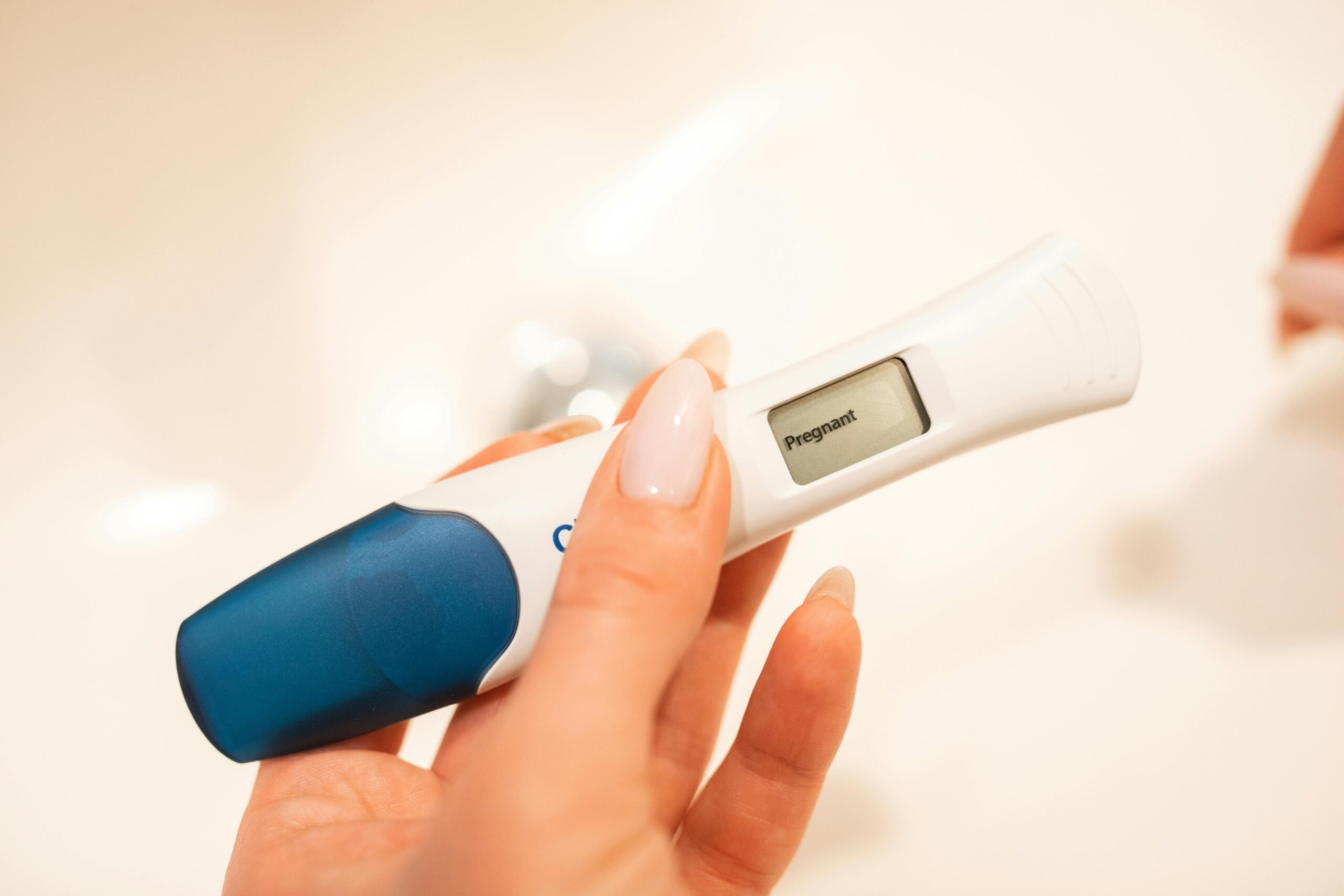
When a couple has regular, unprotected intercourse for over a year without conceiving, the situation is defined medically as infertility. At that point, seeking professional help is advisable. Fertility specialists can perform diagnostic tests and suggest an appropriate treatment plan tailored to the couple’s needs.
In Hong Kong, two widely used assisted reproductive technologies are intrauterine insemination (IUI) and in vitro fertilization (IVF). Though both aim to increase the chance of conception, they differ significantly in procedure, indications, and success rates.
IUI: A Simpler First-Line Approach
IUI is a less invasive and straightforward fertility treatment. It involves administering ovulation-stimulating medications to the female partner without the need for surgical egg retrieval. Once ovulation is near, processed sperm is inserted directly into the uterus via a catheter, allowing it to bypass cervical barriers and increasing the likelihood of fertilization.
This method is typically recommended for:
As long as the woman has open fallopian tubes and the male partner has adequate sperm quality, IUI is a viable option. While the procedure is relatively simple, the success rate ranges from 10 to 15 percent.
IVF: A More Advanced Option for Complex Cases
IVF involves several more steps and is usually recommended when simpler methods fail or are unlikely to work. The process begins with hormonal stimulation to promote the growth of multiple eggs, which are then retrieved surgically. These eggs are fertilized with sperm in a laboratory, and one or more resulting embryos are transferred into the uterus.
IVF is suitable for couples with:
The success rate of IVF typically ranges between 30 and 40 percent, depending on individual circumstances. While it is generally safe, possible risks include ovarian hyperstimulation, multiple pregnancies, bleeding, infection, or complications during egg retrieval.
Age and Emotional Readiness Matter Too
Despite advancements in fertility medicine, egg quality still declines with age. For women over 30 who are not ready to conceive, egg freezing is worth considering to preserve future fertility options.
Doctors also note that while the physical burden of fertility treatment is often manageable, emotional stress can be significant. It is essential for couples to maintain open communication, stay hopeful, and work closely with their care team to navigate the journey with confidence.